


Fewer kilometers, fewer emissions: that’s how we’re making food logistics a little more sustainable every day.
At Sud-Fresh, sustainability is an integral part of our strategy. We are reducing our environmental footprint through various initiatives: the gradual transition to electric vehicles powered by green electricity, reducing the number of kilometers driven, and targeted investments in sustainable solutions.
1. Actions Taken to Reduce CO₂ Emissions
Thanks to route optimization and the use of trucks with multi-temperature compartments, we minimize unnecessary trips and can combine fresh and frozen products. This allows us to make efficient deliveries based on geographic proximity and reduce unnecessary mileage.
With the delivery of 47 new VOLVOs in mid-2025, our fleet now consists entirely of Euro 6 vehicles. We have currently maintained a 100% internal combustion engine fleet because the range of the available electric vehicles did not yet meet the requirements for our transportation operations. In addition to the range required to complete our routes, we must also take into account the power consumption of the refrigeration system, which can reduce the battery’s range by 5% to 25%, depending on the application (single, dual, or triple temperature). We have therefore opted to use alternative fuels, specifically HVO (hydrogenated vegetable oil), with the goal of reducing CO2 emissions by 20% by 2025. The goal is to take even more steps in this direction each year and thus reduce our CO2 emissions year after year.
We have been participating in the Lean & Green program since 2017. After earning our first star in 2019, we are now aiming to earn a second star in 2026. Participation in the Lean & Green program requires us to calculate CO2 emissions per transported pallet in a consistent and objective manner. This is validated by an international and independent organization. This also enables us to provide our customers with an objective and neutral certificate of emissions relative to the volumes transported.
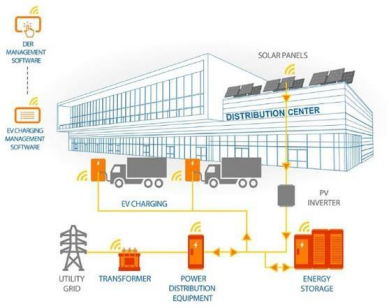
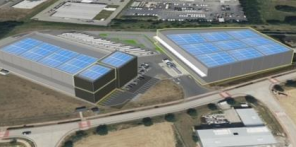
At both of our sites in Aubange and Namur, we have chosen to install solar panels on the roofs. This allows us to generate some of the electricity we need ourselves. We are also part of the Logistics in Wallonia support program at Alpha Innovation and the Mecatech cluster, which conducts research into the optimal use of vehicle batteries and cold storage facilities.
Our Transportation Solutions
2. Future-proof investments
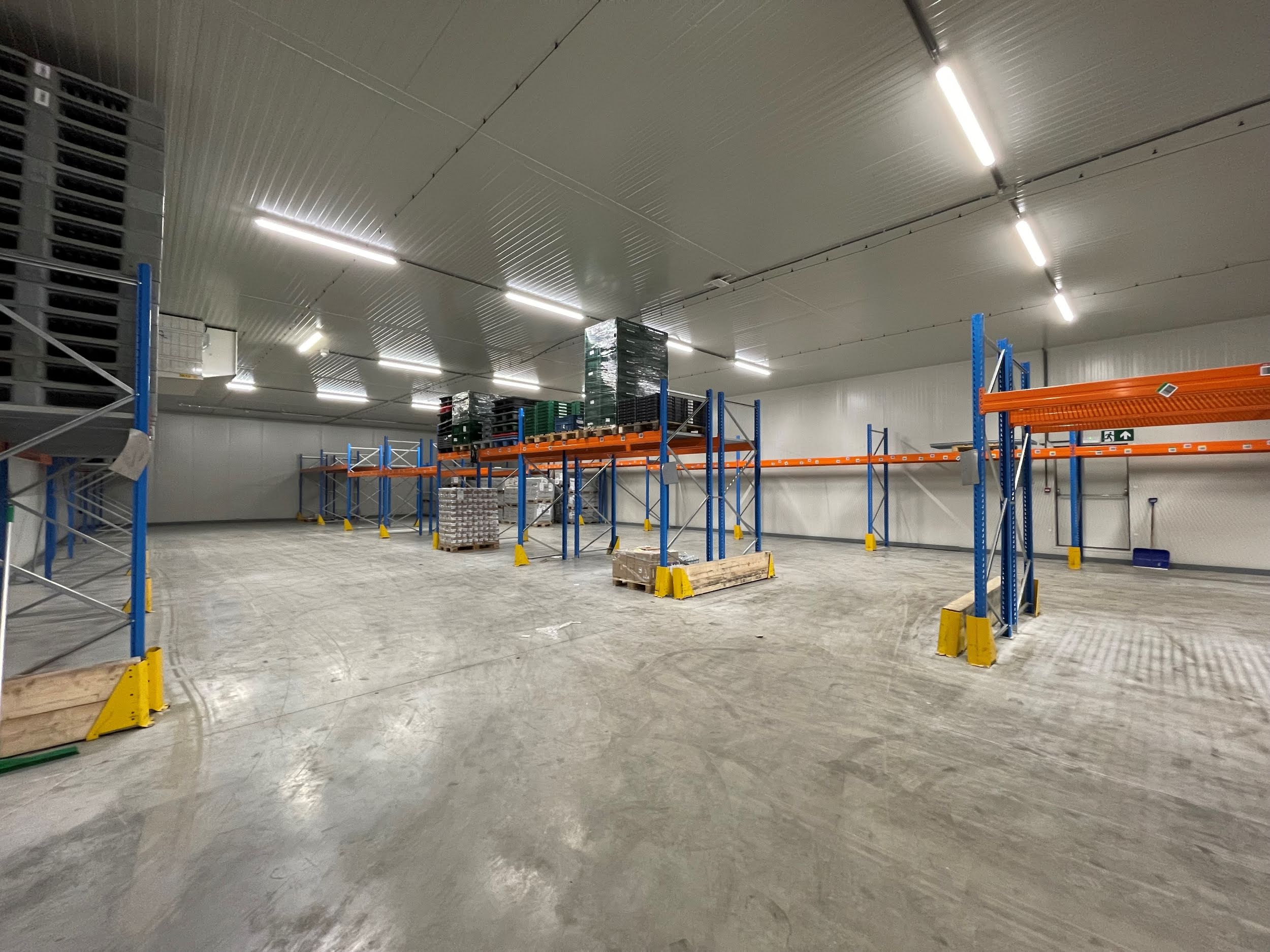
Due to the current limited range, it is not yet possible to switch to electric vehicles. However, we are confident that part of our fleet will be electrified within the next 12 to 24 months. It is for this reason that we have launched a project to construct a new building adjacent to our current site in Namur. This site serves a dual purpose: to meet our customers’ growing demand for frozen food storage, and to maximize the production of green energy for our buildings and vehicles. This will be achieved using a dome of solar panels on our own property.
In addition, we would also like to draw attention to drinking water consumption when discussing ecology and future-proof investments. We believe that drinking water will become increasingly scarce, and it is therefore essential to use it thoughtfully and sparingly. Our operations consume significant amounts of water, which is why we have made additional investments in this area as well.
High water consumption can be attributed primarily to:
- Our own truck wash for the vehicles, as well as maintenance of the cross-dock facilities. Since we handle food products, cleanliness is of the utmost importance, and we pay extra attention to it. Water consumption for the truck wash and depot maintenance totals approximately 3,000 cubic meters per year.
- Cooling of the compressors and piping in the refrigeration systems, which consume approximately 1,500 m³ per year.
Thanks to an on-site rainwater harvesting system with a capacity of 800 m³—consisting of rainwater cisterns and water basins—our drinking water consumption accounted for less than 2% of our total water consumption in 2023.


